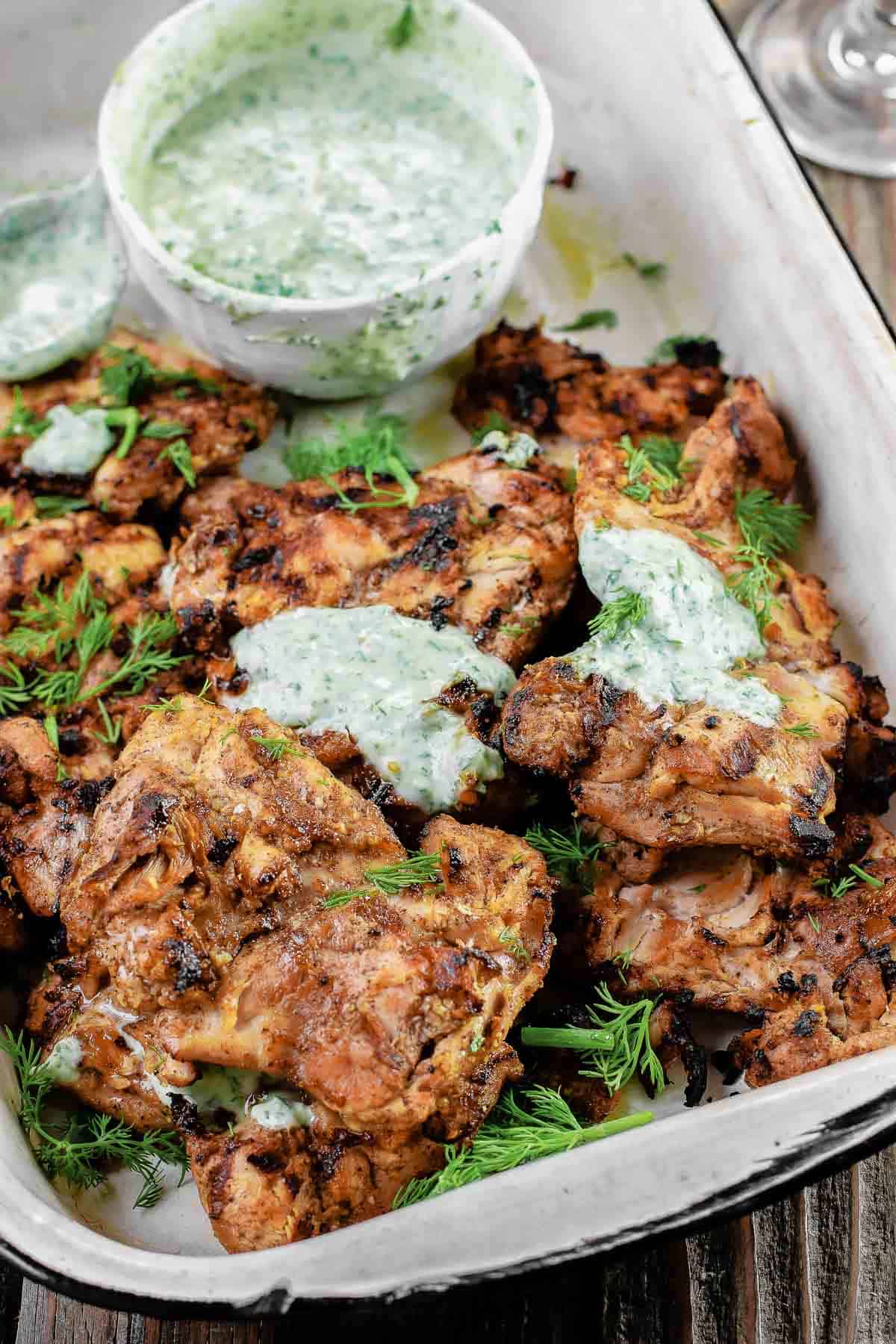
Dry Rub vs. Marinade: Crafting the Best Grilled Bone-In Chicken Thighs
The sizzle of chicken hitting hot grates, the aroma of smoky spices filling the air – few things herald the arrival of summer like a backyard barbecue. And when it comes to grilling, perfectly grilled bone-in chicken thighs are an undisputed champion. Beloved for their rich flavor, forgiving fat content, and incredible juiciness, they're a budget-friendly option that delivers maximum impact. But before you fire up the grill, a crucial decision awaits: will you coat your chicken with a savory dry rub or let it luxuriate in a flavorful marinade? This choice profoundly impacts the final taste, texture, and even the cooking process of your easy 30-minute grilled bone-in chicken thighs. Let's explore both methods to help you achieve grilling perfection.
The Allure of the Dry Rub: Crisp Crust and Intense Surface Flavor
A dry rub is a blend of ground spices, herbs, salt, and often a touch of sugar, applied directly to the surface of the meat. Its primary goal is to create a deeply flavorful, often crispy "bark" or crust, enhancing the chicken's natural taste without adding significant moisture. For bone-in chicken thighs, a well-chosen dry rub can transform the skin into a caramelized, savory shield that locks in moisture while delivering an explosion of flavor.
Benefits of a Dry Rub:
- Crispy Texture: Without added liquid, dry rubs promote a fantastic Maillard reaction – the chemical process responsible for that coveted browned, savory crust.
- Intense Surface Flavor: The spices and seasonings are concentrated on the exterior, offering a bold first bite that complements the juicy meat beneath.
- Caramelization: If your rub includes sugar (like brown sugar or turbinado), it will caramelize beautifully over low heat, adding a sweet depth and appealing sheen. This also creates a protective barrier, similar to how a good bark forms on ribs.
- Simplicity: Dry rubs are quick to prepare and apply, making them ideal for spontaneous grilling sessions.
Grilling with a Dry Rub: The Low & Slow Approach
When working with a dry rub, especially one containing sugar, the grilling method is paramount. To prevent burning the spices and ensure the bone-in chicken thighs cook evenly all the way through, a "low and slow" approach is recommended. This often means utilizing indirect heat on your grill.
- Preparation: Pat your bone-in, skin-on chicken thighs thoroughly dry with paper towels. This is crucial for achieving a crispy skin and for the rub to adhere properly.
- Application: Generously coat the chicken thighs with your chosen dry rub, pressing it gently into the skin. Let the chicken sit for at least 15-30 minutes at room temperature (or refrigerate for up to a few hours) to allow the salt to draw out some moisture and for the rub to "set."
- Two-Zone Grilling: Set up your grill for two-zone cooking – one side with direct heat (medium-low) and the other with indirect heat.
- Grilling Process: Start by searing the chicken skin-side down over direct, medium-low heat for 3-5 minutes until you get some nice color and char. Then, move the thighs to the indirect heat zone, skin-side up. Close the lid and cook for approximately 20-25 minutes, or until the internal temperature reaches 175°F (80°C). Cooking bone-in chicken thighs on indirect heat ensures the sugars in the rub don't burn while the meat thoroughly cooks, staying incredibly tender and moist thanks to the bone.
Mastering the Marinade for Maximum Juiciness and Deep Flavor
In contrast to a dry rub, a marinade is a liquid bath designed to infuse flavor, tenderize, and add moisture to meat. Typically composed of an oil, an acid (like citrus juice or vinegar), salt, aromatics (garlic, ginger, onion), and various spices and sweeteners, marinades work their magic by allowing the chicken to soak up their goodness.
Benefits of a Marinade:
- Deep Flavor Infusion: The liquid carries flavors deeper into the meat than a dry rub can, resulting in a more pervasive taste profile.
- Tenderization: Acids in marinades help break down tough muscle fibers, leading to a more tender finished product.
- Moisture Retention: Oils in the marinade, combined with the brining effect of salt, help the chicken retain moisture during cooking, making it incredibly juicy. This is particularly beneficial for the already succulent bone-in chicken thighs, making them virtually impossible to overcook.
- Protective Barrier: The oil and moisture in a marinade create a thin barrier against the direct heat of the grill, helping to prevent burning while still allowing for delicious charring.
- Faster Cooking: Interestingly, while marinades require a longer prep time, the protective barrier and moisture retention can allow for faster cooking over higher heat, potentially bringing grilled bone-in chicken thighs to perfection in under 15 minutes.
Grilling with a Marinade: Higher Heat, Quicker Cook
Marinated grilled bone-in chicken thighs can often withstand higher direct heat than their dry-rubbed counterparts, leading to a quicker cook time and a delightfully crispy skin.
- Preparation: Patting the chicken dry is still important, but less critical than with a dry rub. Trim any excessive fat from your bone-in, skin-on chicken thighs to prevent flare-ups.
- Application: Place chicken thighs in a large Ziploc bag or baking dish and pour your marinade over them, ensuring all pieces are well coated. A classic marinade might include olive oil, soy sauce, sesame oil, Worcestershire sauce, lemon juice, honey, garlic, and black pepper.
- Marinating Time: Marinate for a minimum of 30 minutes at room temperature, or up to 12 hours in the refrigerator. Caution: Do not marinate for longer than 12 hours, as the acid can begin to "cook" the chicken, leading to a mushy texture.
- Grilling Process: Preheat your grill to medium-high direct heat. Once hot, place the marinated chicken thighs skin-side down. Grill for about 5-7 minutes per side, flipping once, until the skin is crispy, charred, and the internal temperature reaches 175°F (80°C). The higher fat content of the thighs, combined with the marinade, makes them incredibly forgiving.
Dry Rub vs. Marinade: Choosing Your Champion for Grilled Bone-In Chicken Thighs
The choice between a dry rub and a marinade ultimately comes down to your desired flavor profile, texture, and time constraints. Both methods yield incredibly delicious grilled bone-in chicken thighs, but they achieve that perfection through different avenues.
When to Choose a Dry Rub:
- You crave a crispy, bark-like exterior with concentrated surface flavor.
- You enjoy a smokier, more robust flavor profile, often with a hint of sweetness from caramelized sugar.
- You have a bit more time for a "low and slow" grilling method.
- You're looking for quick prep before grilling (though cooking time is longer).
- Great for pairing with sides that offer contrasting moisture, like a creamy potato salad or roasted root vegetables.
When to Choose a Marinade:
- You want deeply infused flavor throughout the meat.
- You prioritize maximum juiciness and tenderization.
- You prefer a tangy, savory, or umami-rich flavor that penetrates every bite.
- You need a quicker grilling time, often suitable for a busy weeknight meal.
- Ideal for a lighter, brighter flavor profile that can stand up to high heat.
Many grill masters even combine techniques, opting for a quick marinade for moisture and tenderness, followed by a light application of a dry rub just before grilling for an extra layer of surface flavor and crispness. Experimentation is key to finding your personal "best grilled bone-in chicken thighs" recipe.
Essential Grilling Tips for Any Method
Regardless of whether you choose a dry rub or a marinade, these foundational tips will help you achieve outstanding grilled bone-in chicken thighs every time:
- Choose Wisely: Select bone-in, skin-on chicken thighs that are relatively similar in size and thickness to ensure even cooking. The bone itself helps conduct heat, contributing to the thigh's inherent tenderness and moisture.
- Temperature is Key: Invest in a good instant-read meat thermometer. Chicken thighs are safely cooked when they reach an internal temperature of 175°F (80°C). While chicken breast is done at 165°F, thighs benefit from a slightly higher temperature to break down connective tissues and render fat, making them even more tender and juicy.
- Rest Your Meat: After grilling, always let your chicken thighs rest for 5-10 minutes before serving. This allows the juices to redistribute throughout the meat, resulting in a more tender and moist bite.
- Prevent Flare-Ups: Trim excess fat from the chicken thighs to minimize flare-ups on the grill, especially when using direct heat.
- Clean Grates: Start with clean grill grates to prevent sticking and ensure those beautiful grill marks.
Conclusion
The debate between dry rub and marinade for grilled bone-in chicken thighs isn't about one being inherently "better," but rather about what kind of culinary experience you seek. Do you crave the crispy, smoky bark of a slow-cooked rub, or the deep, tenderizing flavor infusion of a marinade? Both approaches promise succulent, flavorful results perfect for any summer cookout or a simple weeknight meal. So, gather your ingredients, fire up that grill, and embark on your journey to crafting your ultimate perfectly grilled bone-in chicken thighs – a dish that truly tastes like summer.
